
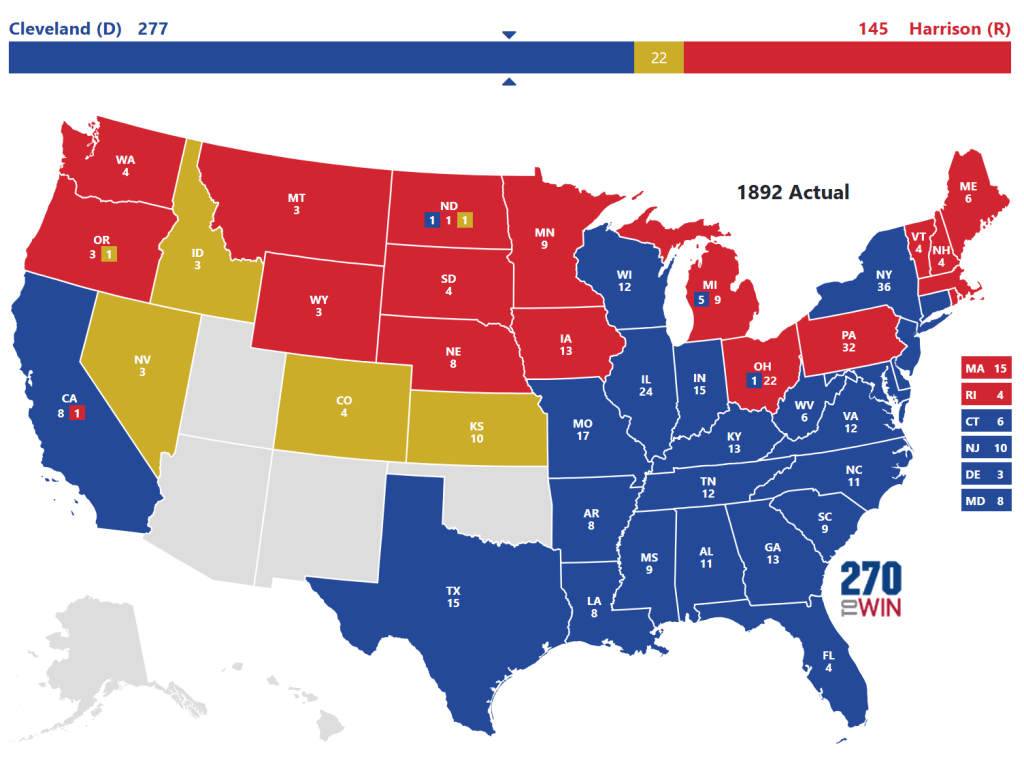
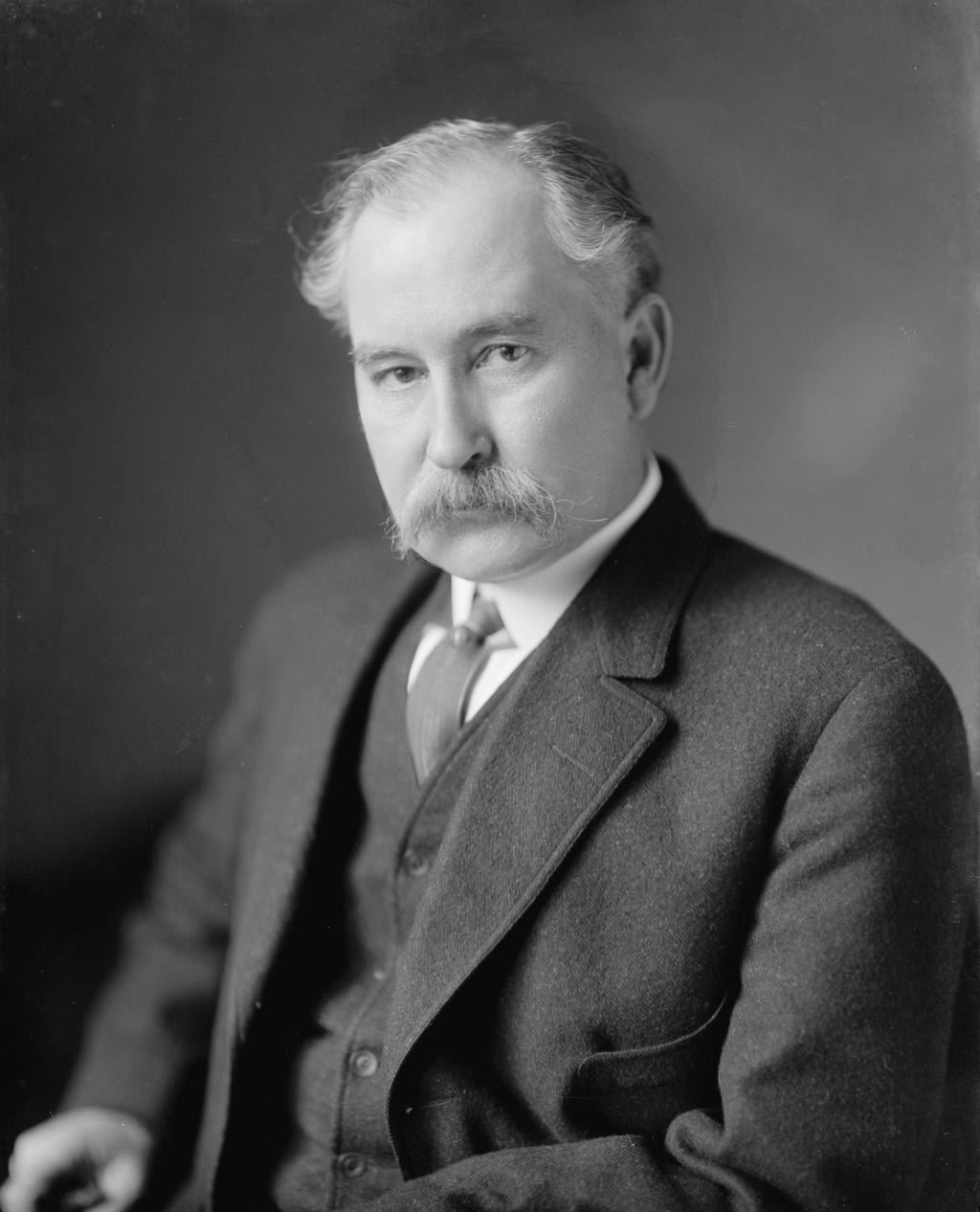
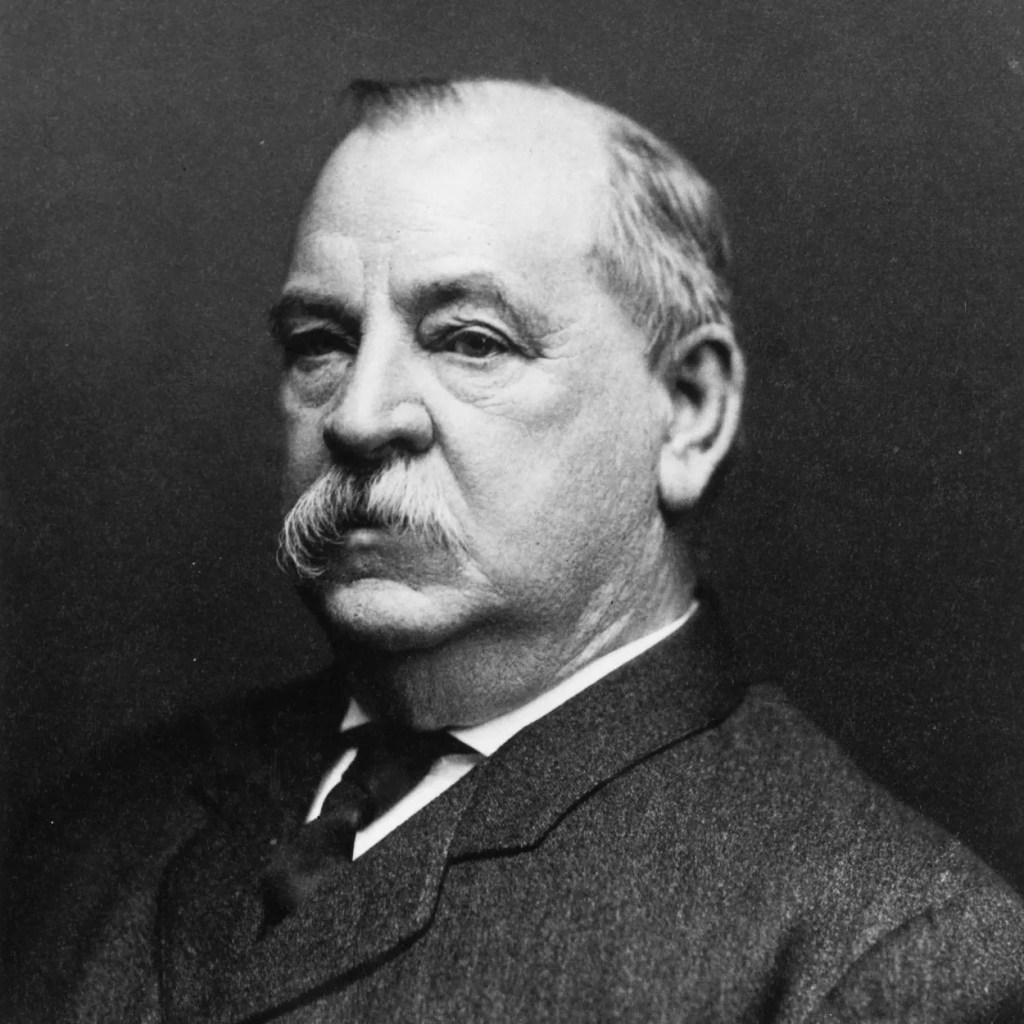
Due to the 60th presidential election in 2024, New Jersey’s only president seems to have lost his most memorable attribute: The fact that he was the only president to have had non-consecutive terms. As such, let us discover how Grover Cleveland made history in 1892 and held this record for 132 years.
The article, made by Henry F. Graff, discusses the three elections of Grover Cleveland.
Essentially, Graff writes that the 1888 election which had lost Cleveland the white house was due to the nation’s manufacturers backing the GOP Candidate Benjamin Harrison due to his protectionism resulting in a massive war chest. Not to mention, he was also a civil war general and the grandson of former president William Henry Harrison. Cleveland ran on a campaign of civil service reform and tariff reduction. He won the popular vote yet lost New York, a key swing state alongside Indiana, but still carried the south (233-168)(Graff).
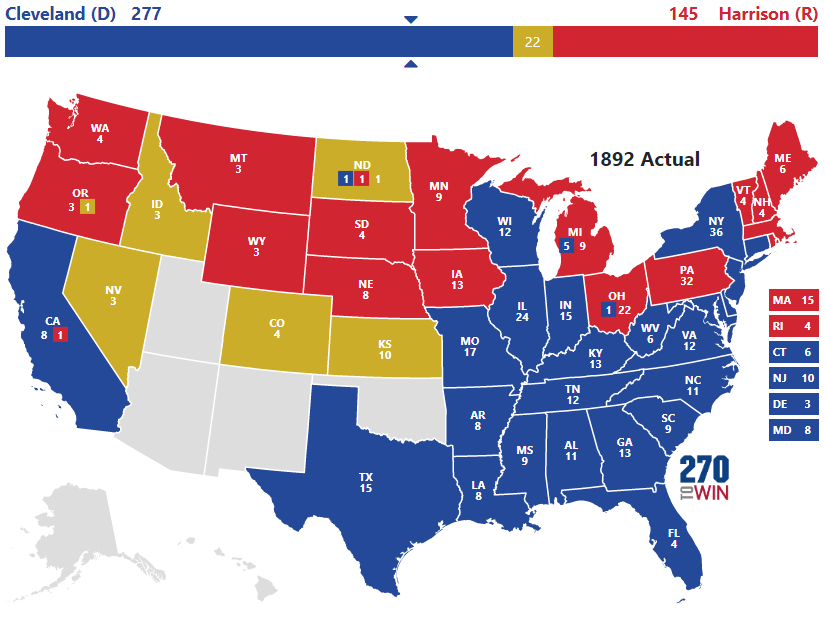
In 1892, Graff writes that the Republicans were on the defensive and that the newly founded populist party was on the rise in the Midwest. The Republicans identified with the temperance movement, which Graff writes damaged their standing with German and Irish immigrants. Not to mention, Jim Crow laws in the South disenfranchising African Americans also resulted in less turnout for the Republicans. Lastly, the McKinley tariff stung the economy and resulted in higher prices and wage cuts for workers, further driving down support for the Republicans. This resulted in a -4.9% swing in the popular vote for Harrison from 47.9% in 1888 to 43% in 1892, with Cleveland also seeing a decline from 48.6% to 46% (-2.6%). This is likely due to the populist party which won around 8% of the popular vote alongside five states in the election. The final tally was 277 for Cleveland, 145 for Harrison, and 22 for Weaver, the populist candidate (Graff).
In many ways, it can be concluded that the resurgence of Cleveland was due to a variety of factors. From what history is telling the reader, it can be seen that it was likely due to an unpopular incumbent and poor platform choices alongside heavy third party support which landed Cleveland the win in the first-past-the-post system.

 American History Blog
Leave a comment